Choosing the right roof lantern can greatly enhance a home's ambiance and functionality. Various styles, materials, and sizes cater to different architectural needs.
Understanding these elements is vital for making an informed decision. The guide explores essential considerations, from design alignment to maintenance requirements.
What factors should homeowners prioritize to guarantee a perfect fit for their space? The answers may surprise you.
Although roof lanterns may seem like a modern architectural trend, they have been utilized for centuries to enhance natural light in homes.
These structures come in various types, including flat, pyramid, and domed shapes, each offering distinct aesthetic and functional benefits. Roof lanterns not only illuminate spaces but also create a sense of openness and connection to the outdoors.
Their design can improve ventilation and reduce energy consumption by maximizing daylight. Additionally, roof lanterns can serve as a striking focal point, elevating the overall ambiance of a space. Understanding these elements can aid homeowners in appreciating their value and versatility.
Selecting the right style of roof lantern can greatly enhance the aesthetic appeal and functionality of a home. Homeowners should consider various architectural styles, ensuring the lantern complements existing design elements.
For contemporary homes, sleek, minimalist designs often work best, while traditional properties may benefit from ornate or vintage-inspired lanterns. Additionally, the size and proportion of the roof lantern are vital; a well-scaled lantern can create balance and harmony.
Color and finish choices also play a role, allowing homeowners to match or contrast with their roof or façade. Ultimately, the chosen style should reflect personal taste while enhancing overall home aesthetics.
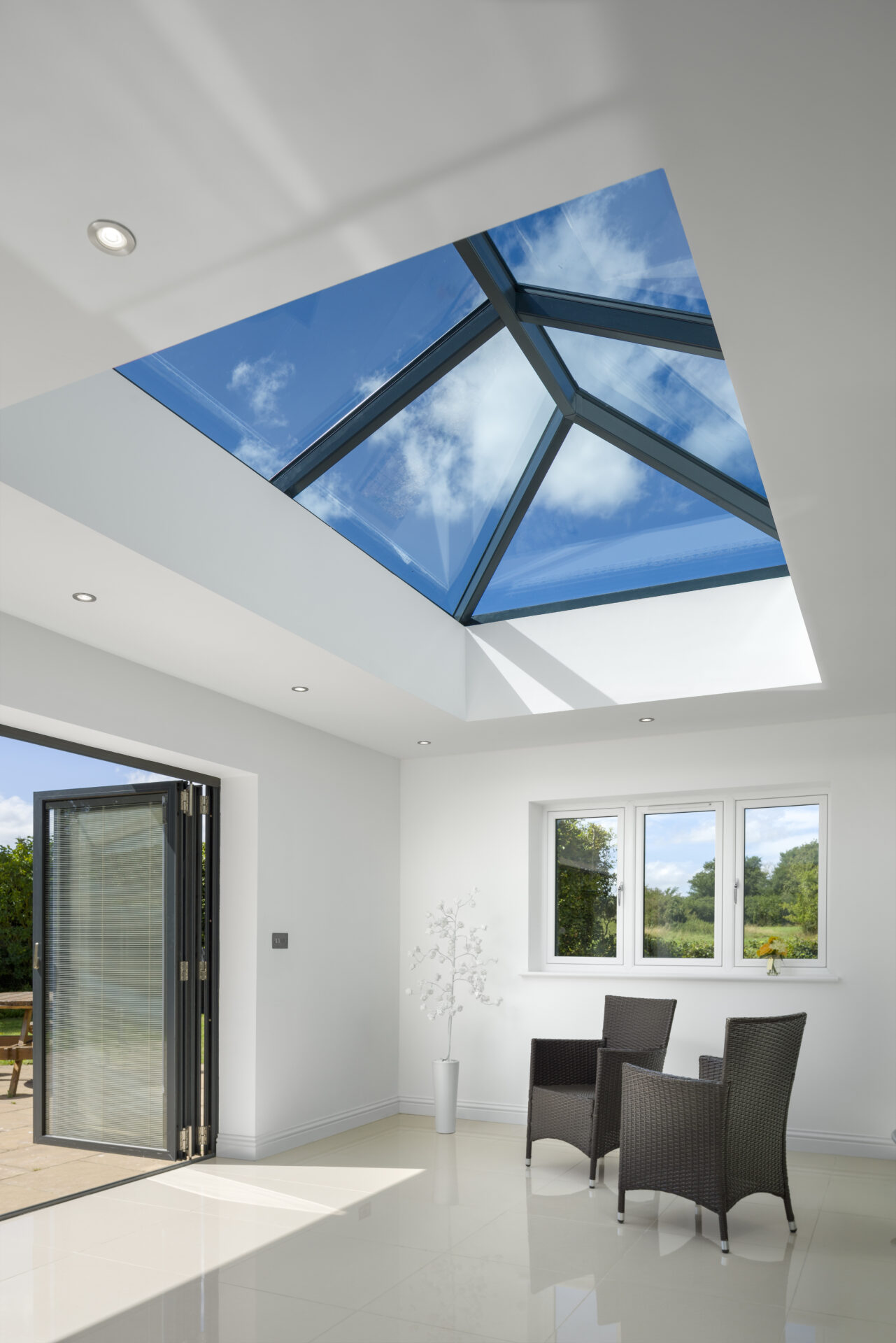
When choosing materials for a roof lantern, homeowners should prioritize both durability and aesthetics to secure a long-lasting and visually appealing addition to their home. High-quality materials such as aluminum and toughened glass offer resilience against the elements while maintaining a modern look.
Timber can provide a classic charm but requires regular maintenance to prevent deterioration. Additionally, selecting energy-efficient glazing can enhance insulation and reduce energy costs.
A balance between sturdiness and style assures that the roof lantern complements the existing architecture while standing the test of time, making it a wise investment for any homeowner seeking to elevate their living space.
The size of a roof lantern considerably influences both functionality and aesthetics in a home. Selecting the right dimensions guarantees ideal light penetration and enhances spatial perception.
A larger lantern can create a dramatic focal point, illuminating expansive areas, while a smaller option may suit cozier spaces, providing adequate light without overwhelming the room.
Additionally, it is crucial to take into account the proportions of the surrounding architecture; a well-sized lantern complements the overall design, maintaining balance and harmony. Ultimately, measuring the intended installation area and evaluating the existing layout will aid in finding the perfect fit for any home.

While choosing a roof lantern enhances a home's appeal, understanding the installation considerations and associated costs is equally vital. The installation process often requires professional assistance, which can impact overall expenses. Factors such as roof structure, access, and the complexity of the installation can greatly influence labor costs.
Additionally, choosing high-quality materials may raise initial expenses but can lead to long-term savings. Homeowners should also consider potential structural reinforcements needed to support the lantern's weight.
Budgeting for permits and any necessary modifications is important to avoid unexpected costs during the installation process, ensuring a seamless shift to enhanced natural light.
Proper maintenance is key to guaranteeing the longevity and performance of a roof lantern after installation. Regular cleaning of the glass panels is essential to prevent dirt and debris buildup, which can obstruct natural light. A soft cloth and mild detergent are recommended to avoid scratching.
Inspecting seals and joints periodically helps identify potential leaks early, preventing water damage. Additionally, checking the frame for rust or wear can prolong the lantern's lifespan.
Finally, verify that surrounding trees are trimmed to prevent branches from impacting the structure. Following these tips will keep the roof lantern in prime condition for years to come.

Roof lanterns are indeed suitable for flat roofs. Their design allows for effective water drainage, preventing pooling and potential leaks. When properly installed, roof lanterns can enhance the aesthetics and functionality of flat roof spaces, providing ample natural light. It is crucial, however, to guarantee that the lantern is adequately sealed and constructed with durable materials to withstand the elements. Overall, they serve as a stylish and practical addition to flat roofing systems.
Roof lanterns can greatly influence indoor temperature regulation by allowing natural light to enter while also facilitating ventilation. During warmer months, they can help release hot air, promoting cooler indoor environments. Conversely, in colder seasons, they can contribute to passive solar heating, leveraging sunlight to warm spaces. However, proper design and materials are essential to prevent excessive heat loss or gain, ensuring that indoor temperatures remain comfortable throughout the year.
Roof lantern installations typically cost between £1,500 and £5,000, depending on various factors such as size, materials, and complexity of the installation. Custom designs and high-quality materials may increase the overall price. Additionally, labor costs can vary based on the contractor's experience and region. Homeowners should consider obtaining multiple quotes to guarantee they receive a competitive price while maintaining quality in both materials and workmanship for their roof lantern project.