
Synthetic diamond rings present a compelling alternative to traditional natural diamonds. Their production methods raise fewer ethical concerns and greatly lessen environmental damage.
Additionally, they offer substantial cost savings, making larger or higher-quality options accessible. As societal acceptance grows, these rings gain traction in the luxury market.
However, many remain unaware of the nuanced differences and benefits that synthetic diamonds offer. What factors contribute to their increasing popularity in the jewelry industry?
Synthetic diamonds, created through advanced technological processes, mimic the natural formation of diamonds found deep within the Earth. Utilizing methods such as High Pressure High Temperature (HPHT) and Chemical Vapor Deposition (CVD), these diamonds form carbon atoms into crystal structures similar to their natural counterparts.
HPHT replicates the intense heat and pressure conditions, while CVD involves dispersing carbon gases that deposit onto a substrate, cultivating diamond layers.
Both techniques produce gems that are chemically and physically identical to mined diamonds, offering comparable hardness and brilliance. As a result, synthetic diamonds are increasingly embraced for their beauty and ethical considerations.
Diamond mining poses significant environmental challenges that extend beyond the immediate extraction of precious stones. The process often leads to deforestation, habitat destruction, and soil erosion, disrupting local ecosystems.
Additionally, the use of heavy machinery and chemicals can contaminate water sources, harming aquatic life and affecting communities reliant on these resources. Moreover, the carbon footprint associated with mining activities contributes to climate change.
The cumulative effects of these environmental impacts raise concerns over the sustainability of natural diamond sourcing, prompting consumers to reflect on more eco-friendly alternatives, such as synthetic diamonds, which offer a lesser environmental footprint without compromising on beauty.
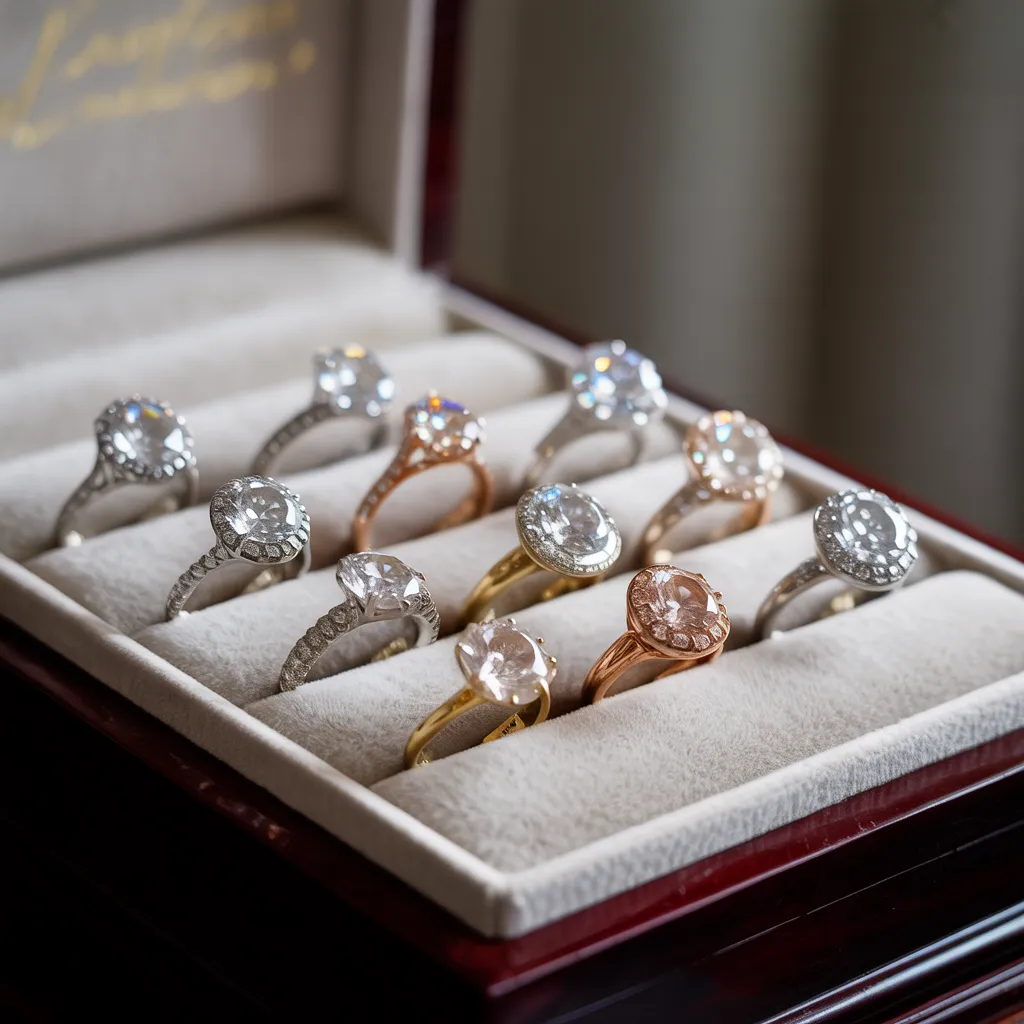
How can consumers navigate the complex ethical landscape of the jewelry industry? This industry has long been marred by issues such as conflict diamonds, exploitative labor practices, and environmental degradation.
To make informed choices, consumers should seek transparency from brands regarding their sourcing practices and labor conditions. Certifications, like the Kimberley Process, help identify ethically sourced diamonds, though limitations exist.
Additionally, opting for synthetic diamonds can greatly reduce ethical concerns, as they are created without the negative impacts associated with mining. Ultimately, thoughtful consideration of these factors empowers consumers to align their purchases with their values in the jewelry industry.
While many consumers seek out stunning gemstones for their jewelry, the cost differences between synthetic and natural diamonds can be significant. Synthetic diamonds typically cost 20-40% less than their natural counterparts, offering a more budget-friendly option without compromising on quality or appearance.
This price disparity stems from the controlled production process of synthetic diamonds, which reduces mining and supply chain costs. Additionally, the growing acceptance of synthetic diamonds in the market further drives prices down.
For budget-conscious consumers, synthetic diamonds present an appealing alternative, allowing for larger carat sizes or higher quality at a fraction of the cost of natural diamonds.

What distinguishes synthetic diamonds from natural ones concerning visual and physical properties? Both types share identical chemical structures, being composed of carbon atoms arranged in a crystal lattice.
However, synthetic diamonds can be produced with fewer inclusions and impurities, often resulting in a higher clarity grade. Color may also vary; synthetic diamonds can be engineered to achieve specific hues. Regarding hardness, both types exhibit the same remarkable durability, scoring a perfect 10 on the Mohs scale.
Ultimately, while some subtle differences exist, most consumers cannot visually distinguish between the two without specialized equipment.
As consumers become more informed about the similarities between synthetic and natural diamonds, the appeal of synthetic diamonds in engagement rings continues to rise. These lab-created gems offer an ethical alternative, addressing concerns about mining practices and environmental impact.
Additionally, their cost-effectiveness allows couples to allocate budgets towards larger or higher-quality stones without sacrificing beauty. The customization options available for synthetic diamonds further enhance their allure, enabling couples to choose unique designs that reflect personal styles.
As societal perceptions evolve, synthetic diamonds are increasingly seen as a modern choice that combines luxury with responsibility, solidifying their place in the engagement ring market.

Synthetic diamonds are created through two primary methods: High Pressure High Temperature (HPHT) and Chemical Vapor Deposition (CVD). In HPHT, carbon is subjected to extreme pressure and temperature, mimicking natural diamond formation. Conversely, CVD involves placing carbon-rich gases in a chamber where they break down, allowing carbon atoms to deposit onto a substrate, forming diamonds. Both methods produce diamonds that are chemically and physically identical to natural ones, offering an ethical and sustainable alternative.
Synthetic diamonds are indeed considered real diamonds. They possess the same chemical composition, crystal structure, and physical properties as natural diamonds. Both types are made of carbon atoms arranged in a crystal lattice. The primary difference lies in their origin; synthetic diamonds are created in laboratories, while natural diamonds form over millions of years in the Earth's mantle. Regardless of their source, both are categorized as diamonds and exhibit similar qualities and appearances.
Synthetic diamonds can generally be resized easily, similar to natural diamonds. The resizing process typically involves adjusting the metal band rather than the diamond itself, as synthetic diamonds possess the same physical and optical properties as their natural counterparts. Jewelers experienced in working with both types can guarantee a precise fit. However, the complexity of the design may affect ease of resizing, so consulting a professional is advisable for the best results.